
Jun
22

The skin is a dynamic organ that continuously responds to environmental changes, and seasonal shifts can significantly influence its condition. Temperature, humidity, and wind exposure all affect how much moisture the skin retains and how efficiently it repairs itself. During colder months, reduced humidity and indoor heating can strip the skin of natural oils, leading to dryness and sensitivity. In warmer seasons, higher temperatures and humidity can increase oil production and make pores more prone to congestion. These environmental differences mean that a single skincare routine cannot remain equally effective year-round, and adjustments are necessary to maintain balance and comfort.
Adjusting Skincare for Cold Weather Conditions

In colder seasons, the skin often loses moisture more quickly due to drier air and lower humidity. This can weaken the skin barrier, making it more susceptible to irritation. During this time, skincare routines typically require richer and more hydrating formulations that help lock in moisture and support barrier repair. Gentle cleansing becomes more important because harsh cleansers can further strip natural oils. Moisturizers that contain ingredients designed to reinforce hydration retention are often more suitable in this period. The goal of winter skincare is to protect the skin from moisture loss while maintaining a stable and comfortable barrier function.
Managing Skin Behavior in Hot and Humid Weather
Warm, humid conditions affect the skin differently by increasing sweat production and oil activity. This can lead to a heavier feeling on the skin and a higher likelihood of clogged pores or breakouts. Skincare routines during these seasons often focus on lightweight hydration and effective cleansing to remove excess oil and buildup. Products with lighter textures are generally more comfortable because they allow the skin to breathe while still maintaining hydration. Proper cleansing becomes essential to prevent congestion caused by a combination of sweat, oil, and environmental impurities. The emphasis shifts from heavy moisture protection to maintaining clarity and balance.
The Importance of Sun Exposure Across All Seasons

Sun exposure remains a consistent factor throughout all seasons, though its intensity may vary with weather conditions and geographic location. Ultraviolet radiation can affect the skin even on cloudy or cooler days, contributing to long-term damage such as premature aging and uneven pigmentation. As a result, sun protection is a foundational element of any skincare routine, regardless of seasonal changes. Consistent protection helps maintain overall skin health while preventing cumulative damage over time. Seasonal adjustments may change other aspects of skincare, but sun protection remains a constant requirement for maintaining skin resilience.
Balancing Hydration and Skin Barrier Health
Maintaining a healthy skin barrier is essential year-round, but the approach to hydration may vary depending on environmental conditions. In dry climates, the focus is often on sealing in moisture and preventing water loss, while in humid climates, the emphasis shifts toward maintaining hydration without overloading the skin. Ingredients that support barrier strength help the skin adapt more effectively to seasonal transitions. When the barrier is healthy, the skin is better able to regulate moisture, resist irritation, and respond to environmental stress. This balance is key to ensuring consistent skin comfort and appearance throughout the year.
Skincare routines must evolve with the seasons because environmental conditions directly influence how the skin behaves and responds. Temperature, humidity, and sun exposure all play important roles in determining hydration levels, oil production, and barrier strength. By adjusting skincare practices to accommodate these changes, individuals can maintain healthier, more balanced skin year-round. The most effective routines are those that maintain a consistent structure while adapting intelligently to seasonal demands, ensuring long-term skin comfort and resilience.…
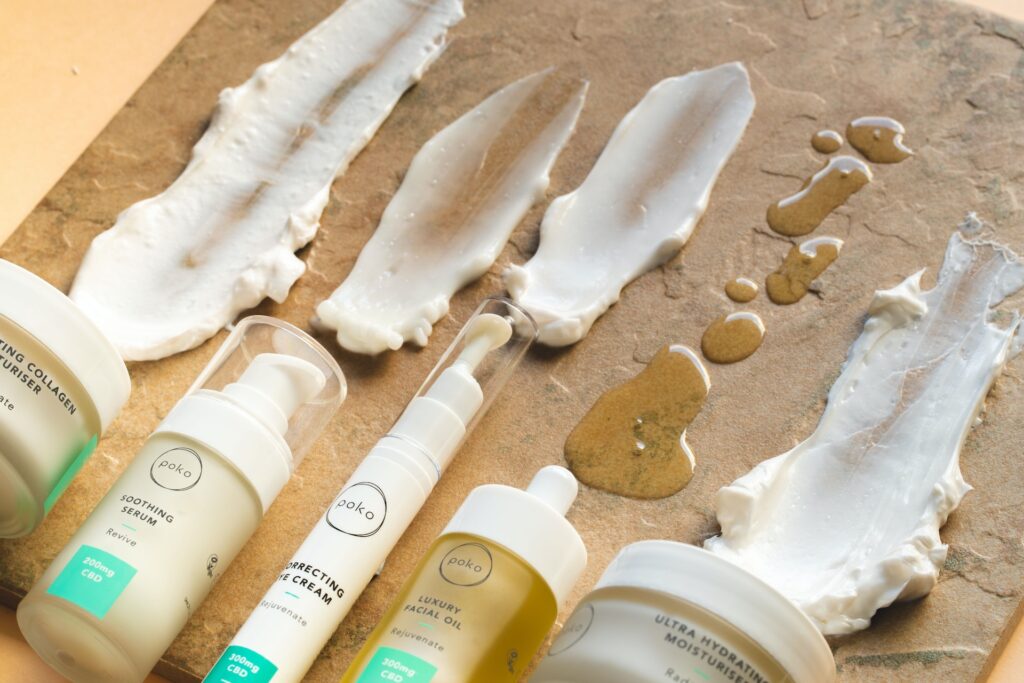
 One of the primary reasons to opt for organic skin care products is to avoid harmful chemicals commonly found in conventional skincare formulas. Many non-organic products contain synthetic fragrances, parabens, sulfates, and other potentially harmful ingredients that can irritate the skin and cause long-term damage. On the other hand, organic skin care products are formulated with natural ingredients sourced from plants, herbs, and flowers.
 Another advantage of organic