Statement sleeves have remained influential in fashion because they can transform an outfit’s character without requiring dramatic changes to its overall silhouette. Voluminous, structured, flared, or intricately detailed sleeves can draw attention to the upper body while introducing movement, texture, and visual balance. The use of african fabric can further enhance this effect, bringing distinctive patterns, colors, and cultural influences into contemporary sleeve designs. Designers continue to reinterpret exaggerated sleeves across dresses, blouses, jackets, and occasion wear, allowing the feature to move between traditional references and modern aesthetics. Exploring their evolution reveals why statement sleeves continue to hold a distinctive place in contemporary fashion.
How Sleeve Shapes Change Garment Proportions
Sleeves can significantly alter how a garment’s proportions are perceived. A wide sleeve can make the upper body appear more prominent, while a long or structured sleeve can create a stronger vertical impression. Designers can use these differences to create contrast between the shoulders, waist, and lower part of an outfit. Because sleeves occupy a visible position around the upper body, even a relatively simple garment can take on a distinctive appearance when their proportions are altered.
Why Volume Remains Important in Sleeve Design
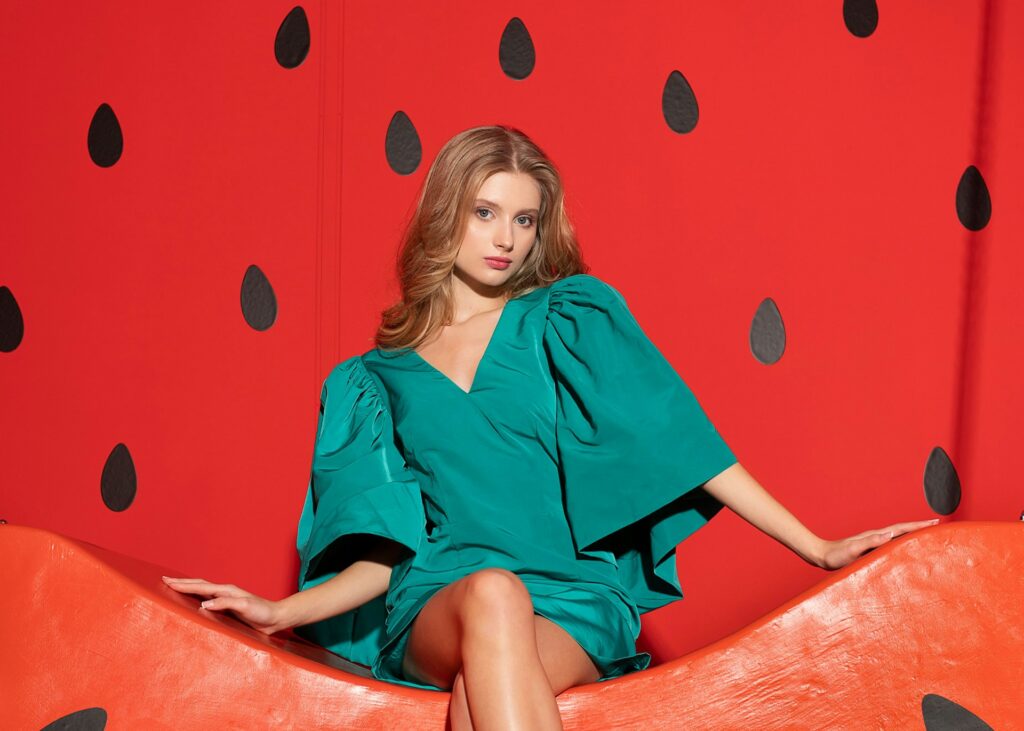
Volume gives sleeves the ability to create movement and visual depth. Puff sleeves, balloon shapes, wide cuffs, and other enlarged forms can make an otherwise familiar garment appear more expressive. Fabric choice also affects how that volume behaves, with lightweight materials producing flowing movement and structured textiles maintaining stronger shapes. This relationship between volume and material allows designers to experiment with silhouettes while retaining the sleeve’s practical function.
How Historical Styles Return Through Sleeves
Many contemporary sleeve designs draw from earlier periods of fashion. Elements associated with Victorian clothing, Renaissance dress, the 1970s, or other historical styles can reappear in modern collections with altered proportions and materials. Sleeves provide a particularly adaptable way to reference the past because their shape can be modified without reproducing an entire historical outfit. This allows familiar design characteristics to be incorporated into contemporary clothing while giving them a different visual context.
The Role of Sleeves in Personal Expression
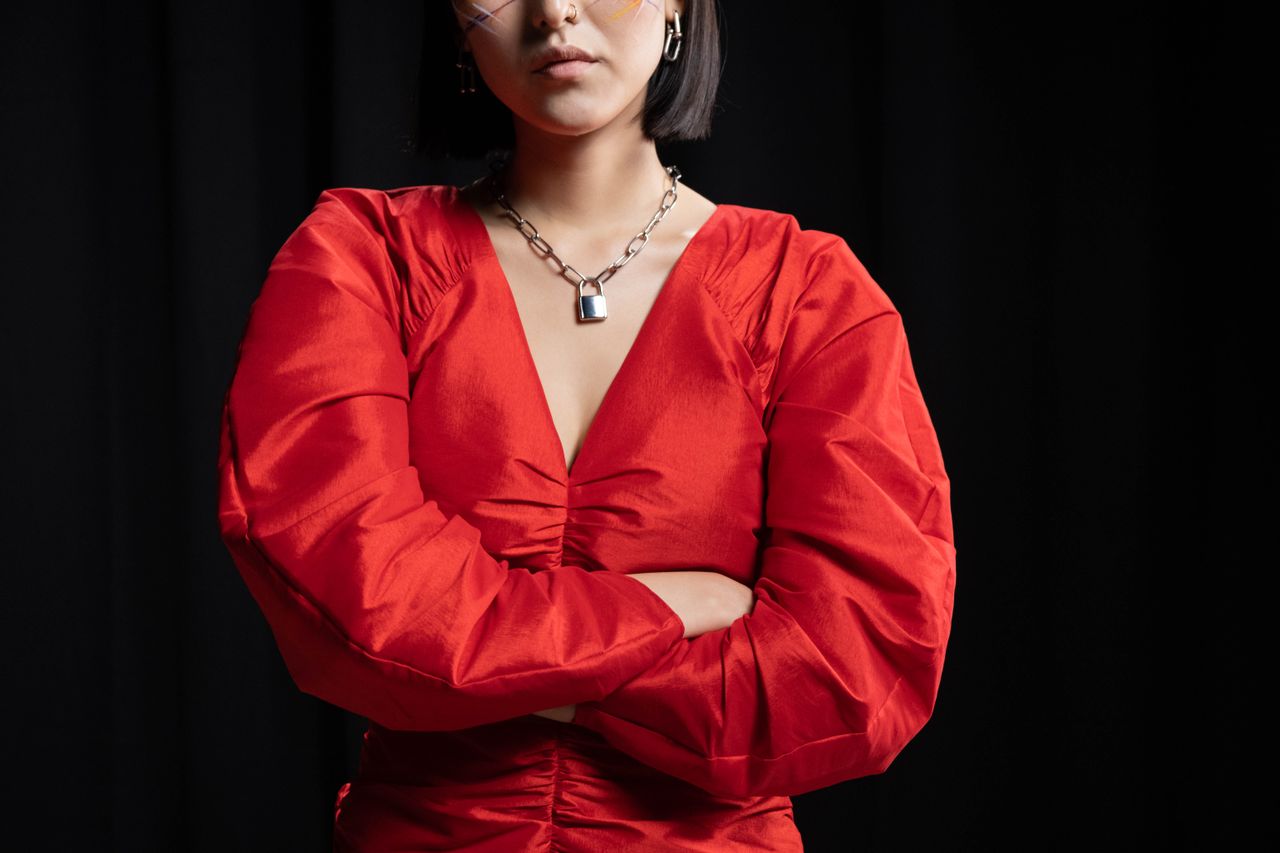
Statement sleeves can give wearers a way to express personality through clothing without relying entirely on color or accessories. Dramatic proportions, unusual construction, decorative details, and distinctive fabrics can communicate different aesthetic preferences. Because sleeves remain functional components of clothing, their expressive qualities can be found in garments designed for everyday use as well as in more formal settings. This combination of practicality and visual impact contributes to their continuing relevance.
Why Statement Sleeves Adapt to Changing Trends
Fashion trends change quickly, but statement sleeves can be repeatedly reinterpreted through new fabrics, proportions, and construction techniques. A silhouette that once appeared dramatic can later be simplified, enlarged, shortened, or combined with another design influence. This flexibility allows sleeves to remain relevant without requiring the same shape to dominate every season. Their continued evolution demonstrates how a single garment component can respond to broader changes in fashion while maintaining its ability to create visual interest.
Statement sleeves continue to influence modern fashion because they offer designers a flexible way to explore proportion, movement, historical references, and personal expression. Their shapes can range from subtle variations to highly sculptural forms, while different fabrics and construction methods create further possibilities. Their ability to evolve with changing aesthetics helps explain why expressive sleeve designs repeatedly return to contemporary clothing. Rather than a temporary feature, statement sleeves remain an enduring design element that gives garments a distinctive visual identity.